
How to install artificial grass
Artificial turf has been a popular choice among homeowners for over 50 years. Manufacturers continuously enhance their products, making them more durable, practical, visually appealing, and cost-effective. Unlike natural grass lawns, artificial turf requires minimal upkeep – it doesn’t need mowing, watering, or fertilizing. In this article, we will explore how to place artificial grass correctly and maintain its fresh appearance over time.
Prepare the Area
Before laying the base some steps are necessary to follow.
Getting Rid of Weeds
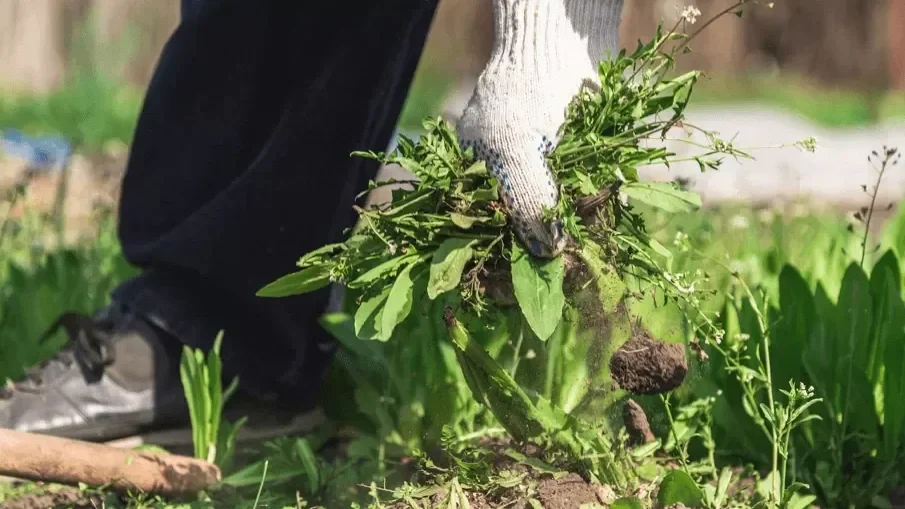
Soil preparation for a lawn begins with cleaning the allotted area. If grass grows on it, it must be removed. There may also be old shrubs, trees, stumps. For the site to have an esthetic look, not only is it necessary to cut down their visible parts but also to uproot everything. This is hard work, but it will bear fruit in the future.
Removing Grass
If you have natural grass in the area, you need to get rid of it. The first is removing a thin layer of turf from the topsoil with a sod cutter or gardening hoe. You may also spray weed killer to the sod first but you will still have some excavation to do to get to the soil layer
Leveling
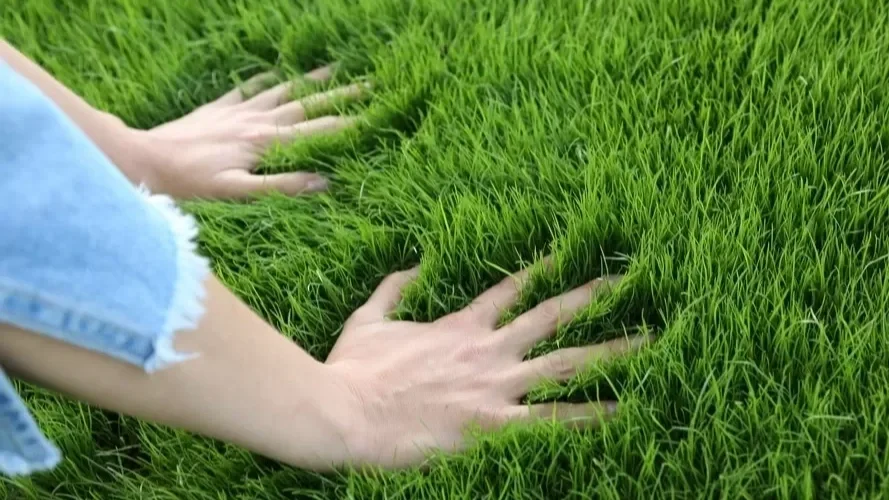
Dig out a thin layer of the soil. Its depth must be about the thickness of your artificial turf. You should pay attention to the evenness of the surface. Sometimes there are elevation differences, bumps, ruts.
In this case, it is better to plan the site so that it becomes homogeneous. Optionally you can make a slope, but it should also be even. It is convenient for the places where a lot of moisture accumulates. All protruding parts of the surface must be removed.
Drainage
If there is a lot of clay or sand in the soil, additional drainage is required. Drainage ditches can be made. In the most difficult cases, special pipes are laid, which help water to flow down.
Compaction
When these works are completed, watering of the site is done so that the ground settles. Then you need to wait until it is completely dry and start tamping the soil. Garden rollers can be used for it.
Lay the Base
Gravel Base / Bedding course
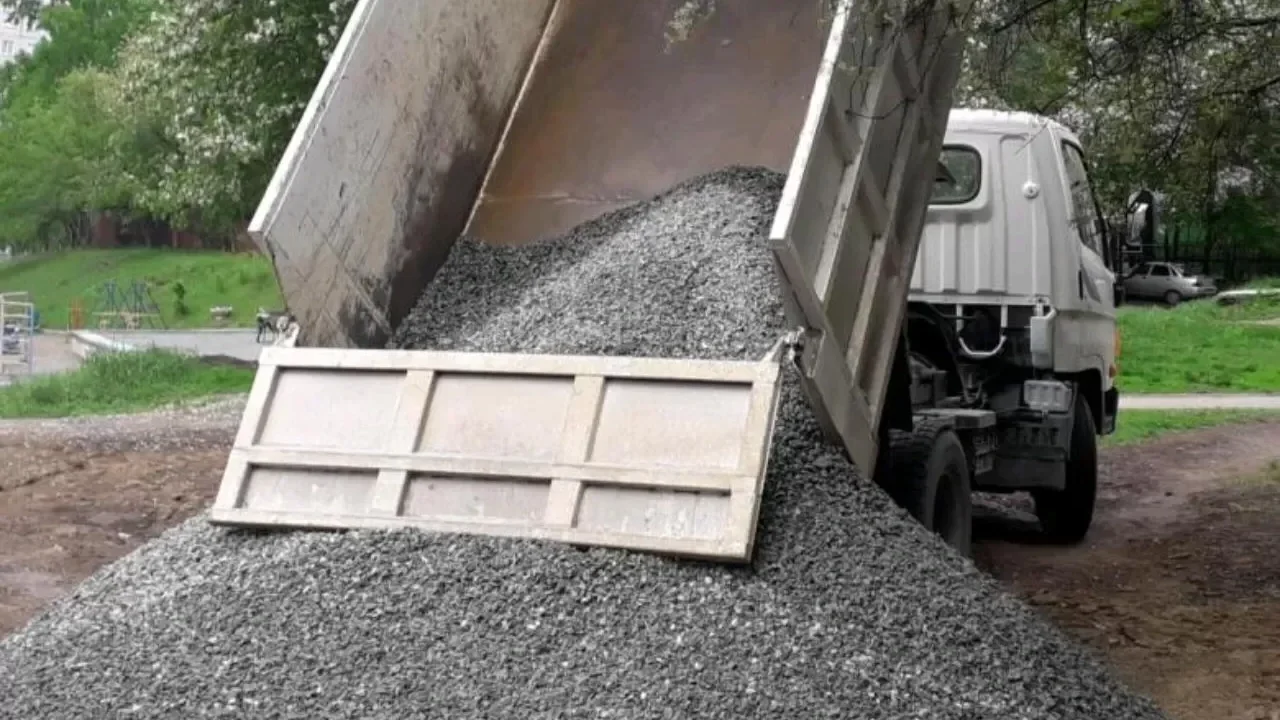
The filtering layer or “geo-fabric or Textile” is placed on top of the compacted soil sub-base. Its task is to avoid soil penetration into the turf system. Next a layer of clean pea sized gravel stone and/or sand course is spread over the fabric layer and compacted. This acts to level the grass & help with water drainage through the turf system.
Types of filter layers:
Geotextile fabric
2” compacted #89 gravel stone or paver sand;
Base for Turf in a House
The base for artificial turf in a backyard consists of drainage, crushed stone, and filter fabric underlay. But Artificial grass can be laid indoors: in a children's room, veranda, balcony, loggia as well. In this case, the base may be:
wooden flooring;
concrete pavement;
rubber underlayment.
In these cases you will need to use an adhesive to adhere Turf to base.
Artificial Grass Installation
Mark the borders of the area where grass will be installed. You can either draw lines or stretch strings.
Measure the size of the area.
Roll out your turf. Cut it to the necessary shape and size.
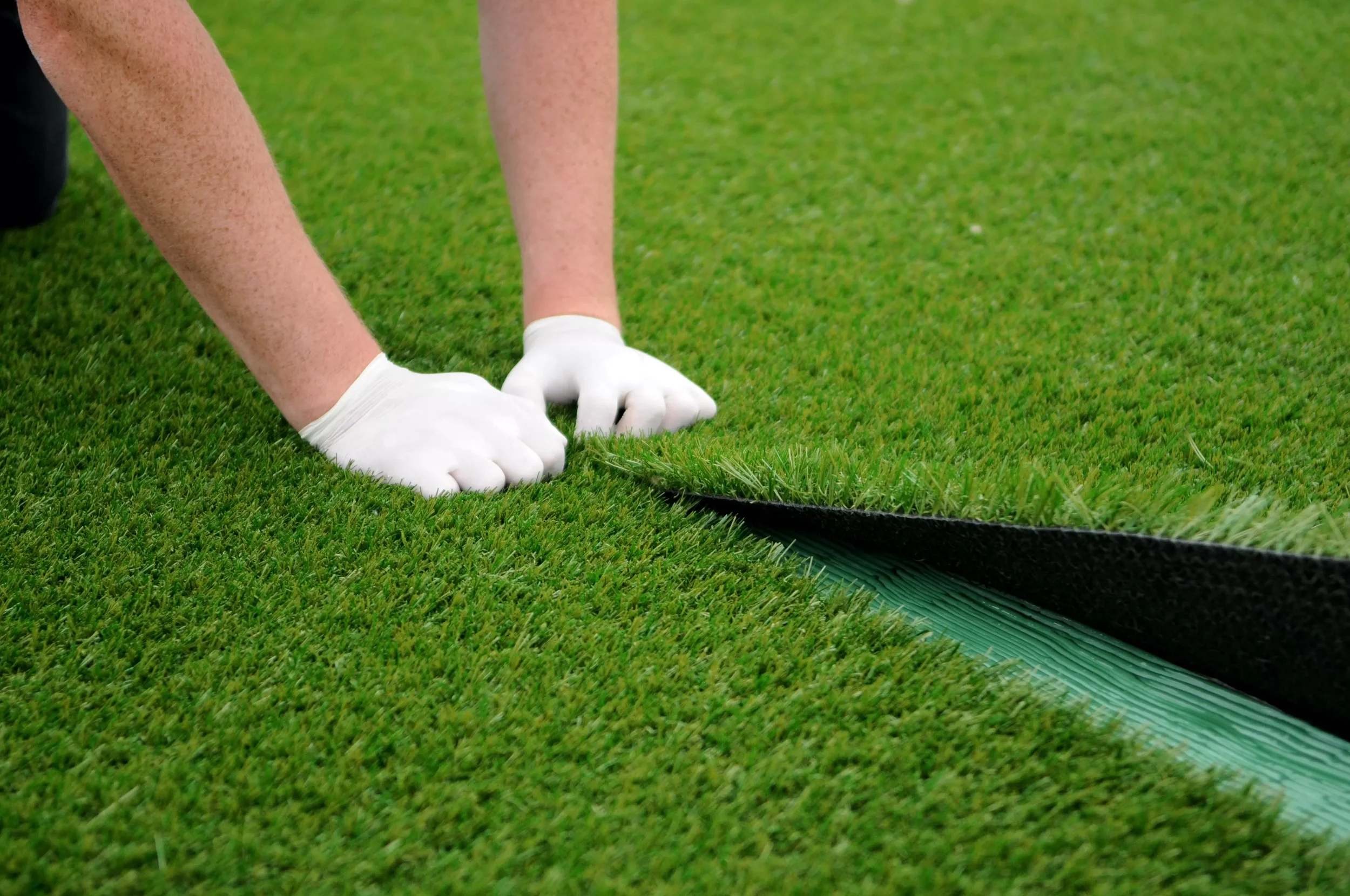
Roll the grass back in. Place it on the installation surface and roll it out. Don’t drag the grass – it can be damaged.
Seam the pieces of turf together. Gaps between them should be unnoticeable. Cut off extra turf if there is some.
Place a seam tape along the joints of turf pieces. Ask someone to lift the edges of the grass, put glue on a tape, and fasten the edges of the pieces together.
Let the glue dry. You can place some heavy objects along the seams for them not to loosen.
Fix the whole structure with nails. Hammer them into the seams and along the perimeter of the grass area. Be careful and don’t press them too deep as it can cause dips.
Grooming
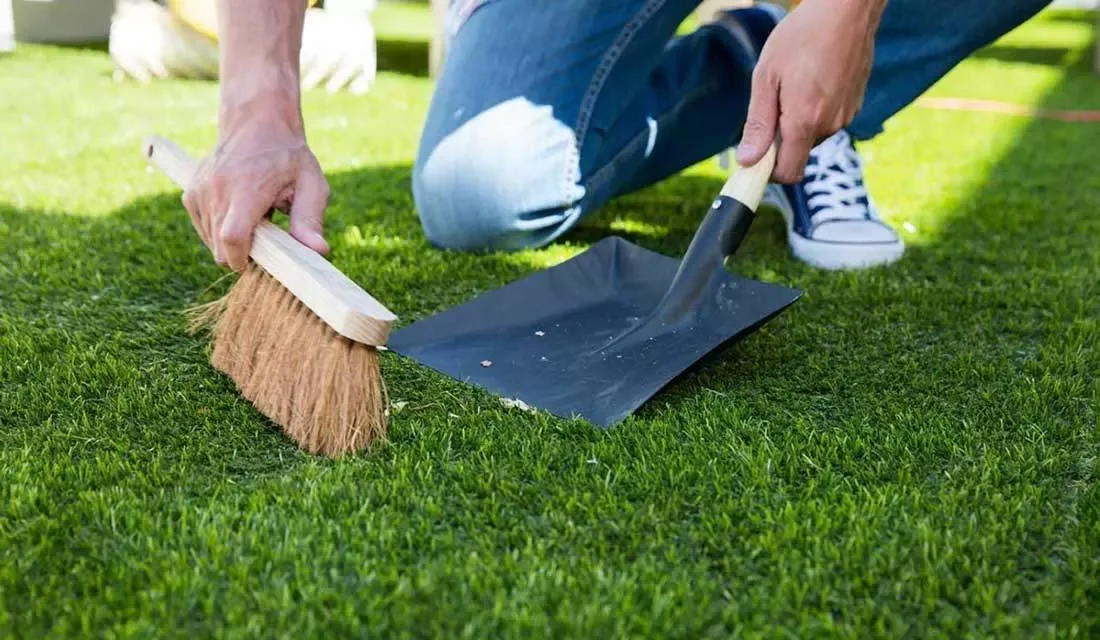
Although artificial turf requires little upkeep, it needs regular brushing after being newly placed. During the first month, this should be done weekly using a special rectangular or triangular brush. After 1 - 1.5 months, brushing can be done less frequently, about once a month.
Note: For brushing artificial grass, choose a medium-sized, soft-bristled brush.
Although quality products have a dense underlay, some weeds still manage to grow through them. That’s why it is recommended to inspect the turf for the presence of weeds from time to time.
Also, it is necessary to remove garbage from the surface regularly. It can be done manually or with a garden vacuum cleaner. If a stain has formed on the turf, you can wash it off with soapy water.
Note: Do not place large or heavy objects on the artificial grass – it can deform.
Now that you know how to set up artificial turf, creating a lush, green lawn in your yard becomes effortless. It will provide long-lasting beauty, practicality, and minimal upkeep for you and your family to enjoy.
